
Terrace Houses

House of Virgin Mary
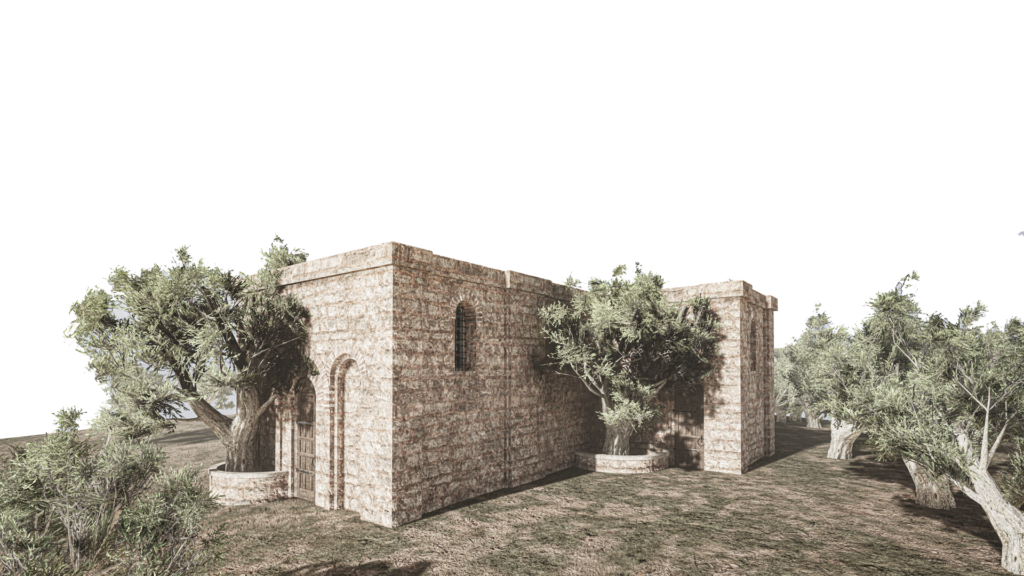
Keçi Castle

Selçuk (Ayasuluk) Castle
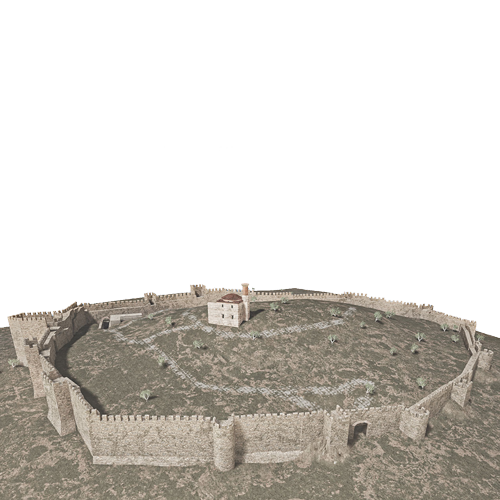
İsa Bey Mosque

St. John (Aziz Yuhanna) Church
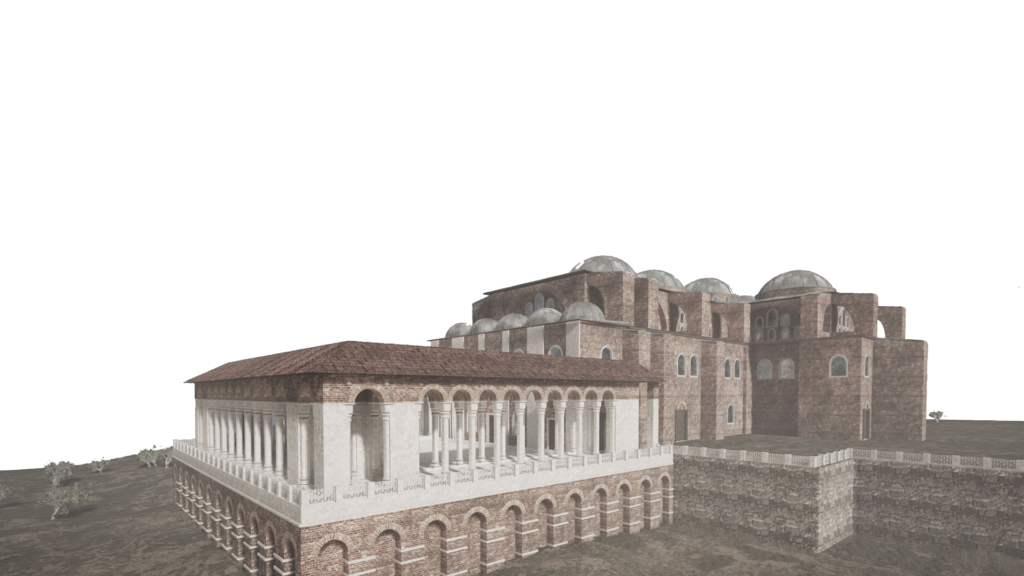
Known as the youngest apostle of Jesus, St. John (St. John the Theologian, the Gospel Writer, also known as John the Baptist) settled in Ephesos and was buried on Ayasuluk Hill at his request. St. John’s burial here led to the area becoming a vital worship center and the construction of various structures over time. […]
Temple of Hadrian
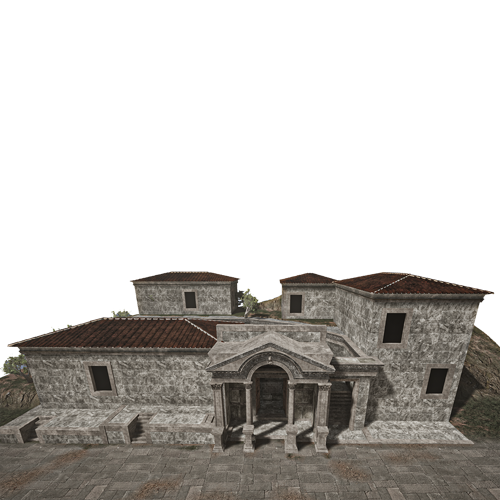
Located on Curetes Street, one of the main arteries of Ephesos, the Temple of Hadrian is an impressive architectural structure despite its small size. The temple consists of two main sections: the main worship area (cella) and the columned entrance section (portico). Based on the inscription on the structure, the temple is dated to 118–119 […]
Fountain of Trajan
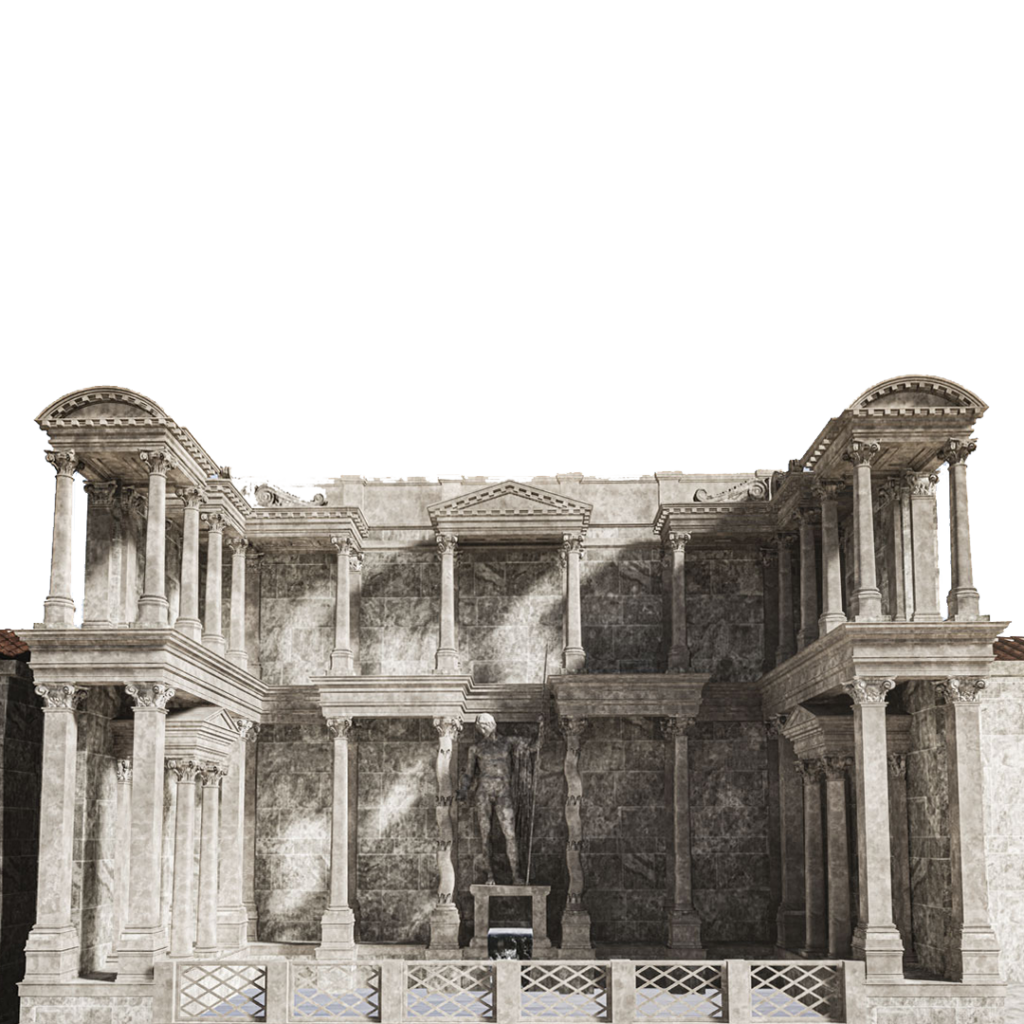
One of the impressive architectural works of Ephesos, this fountain was built by Claudius Aristion between 102 and 114 CE and dedicated to the Roman Emperor Trajan. The reign of Trajan, regarded as the second of the “Five Good Emperors” of the Roman Empire, is considered one of the periods when the empire was at […]
Mazeus and Mithridates Gate

Just north of the Library of Celsus, at the intersection of Curetes Street and Marble Street, stands the Mazeus and Mithridates Gate, which has witnessed countless events throughout history. With its three arched openings providing access to the agora, this impressive structure features a striking architectural emphasis: the central passage is recessed, while the side […]
The Library of Celsus
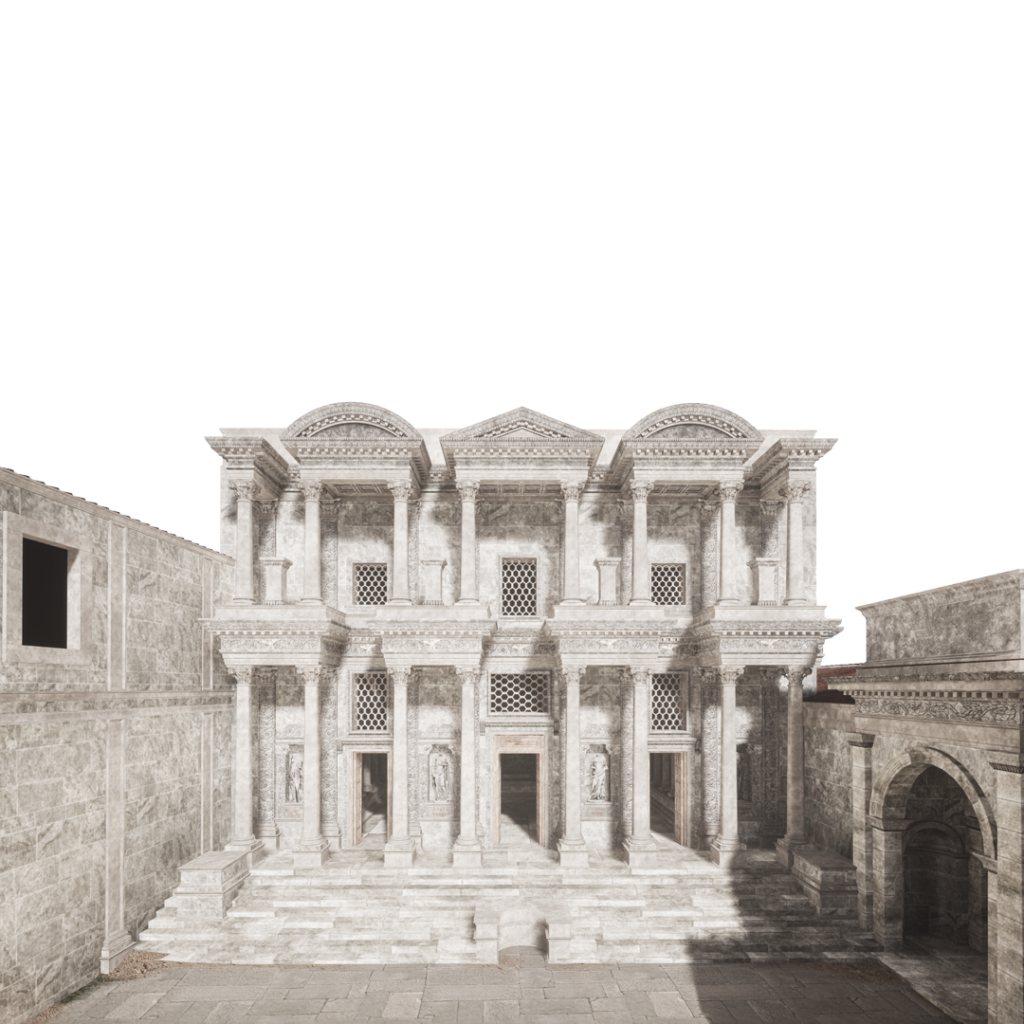
Tiberius Julius Celsus Polemaeanus, one of the prominent governors of the Roman Empire, planned to establish a magnificent library in Ephesos that would bear his name. However, he passed away before he could realize this plan. Later, his son, Gaius Julius Aquila, built the library between 110 and 135 CE to honor his father’s memory. […]