
Selvili Han
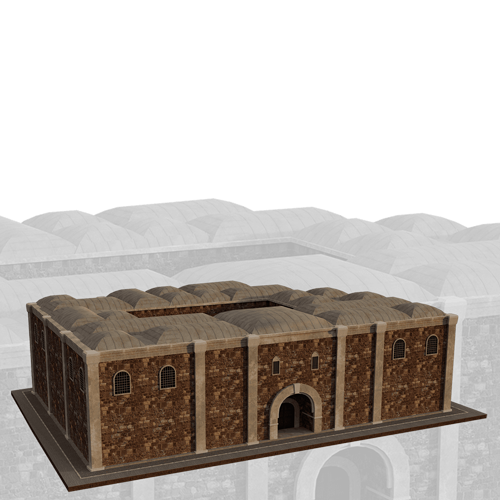
Only a small portion of its facade has survived to the present day, but like Çukur Han, Selvili Han was once located in what was known as the han district. Estimated to have been built in the early 18th century, the han was largely demolished during the construction of Fevzi Paşa Boulevard. Built to serve […]
Çukur Han
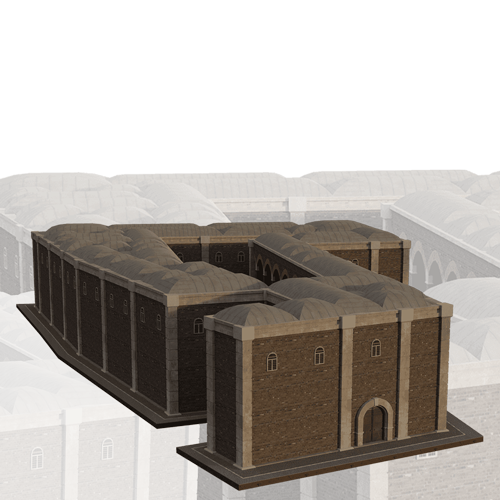
Based on information from Evliya Çelebi’s Seyahatname, Çukur Han was constructed in the second half of the 17th century. It was located in the area that was known at the time as the han district and now is divided by Fevzi Paşa Boulevard (Fevzi Paşa Bulvarı). For a little over a century after its construction, […]
Piyaleoğlu Hanı
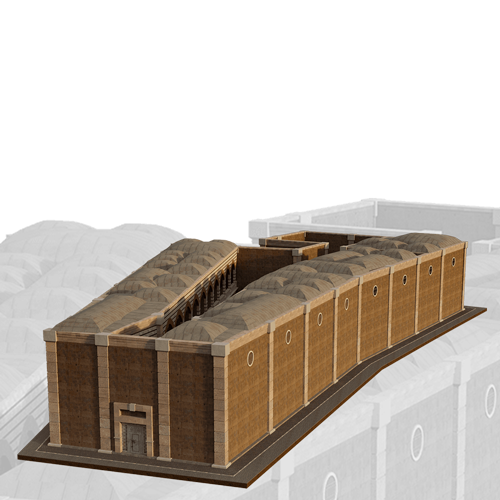
Built in the 18th century by Piyalezade Hacı Mehmet Ağa, Piyaleoğlu Hanı is located in the same district as Abacıoğlu Hanı. It is one of the rare hans in İzmir constructed without vaults. Piyaleoğlu Hanı originally contained 23 rooms. Its courtyard, with a depth of 80 meters, follows parcel’s shape, gradually forming a V-shape as […]
Abacıoğlu Hanı
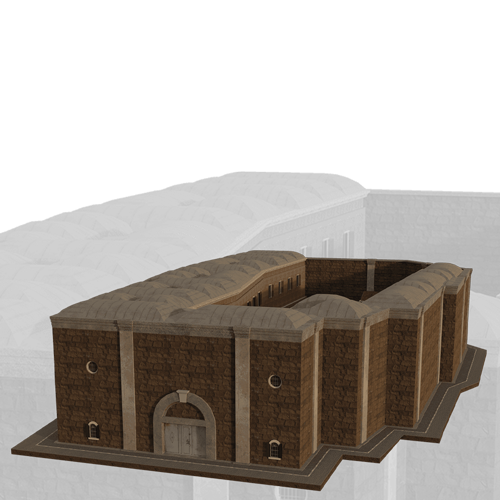
Abacıoğlu Hanı is located within Kemeraltı Bazaar, on Anafartalar Street. Estimated to have been built in the early 18th century, historical foundation records of the han indicate that Hacı Mustafa Ağa, the son of Abacızade Hacı Ahmet Efendi, commissioned the building. Initially, the han had direct access to the shoreline, as it was constructed on […]
Kızlarağası Hanı
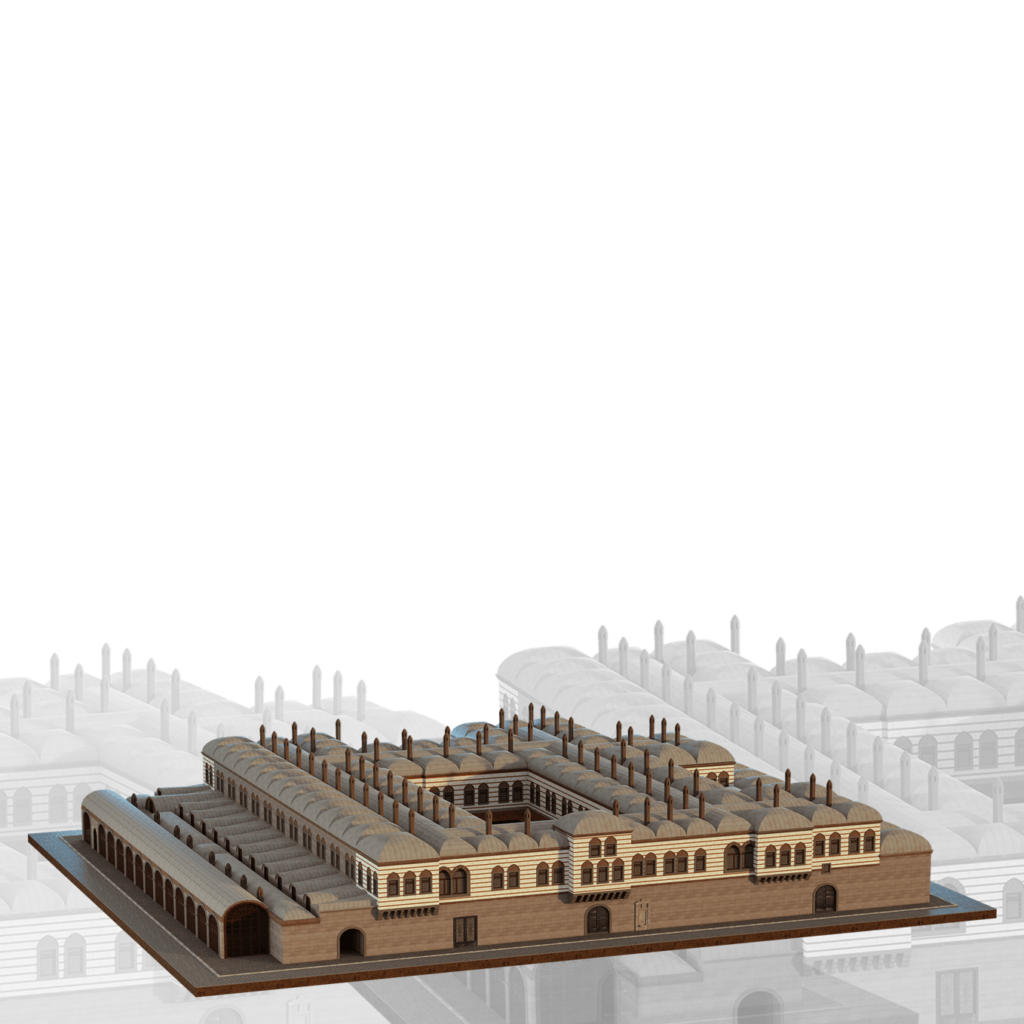
One of the first things locals of İzmir and visitors do upon arriving in the city is to stop by Kızlarağası Hanı and enjoy a cup of Turkish coffee in its courtyard. From the moment one steps through its gates, Kızlarağası Hanı transports visitors to another world. It is one of the landmarks most closely […]
Küpecioğlu Hanı
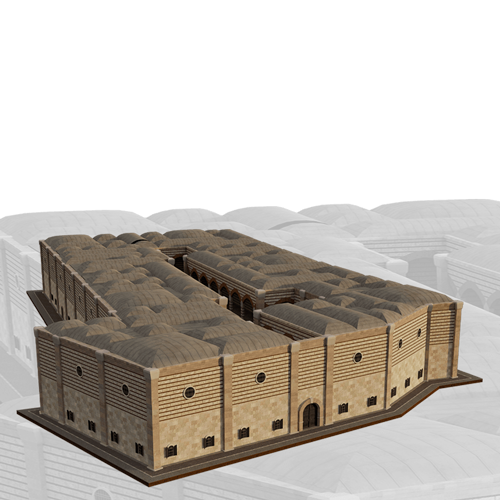
Located between Büyük Vezir Hanı and Küçük Vezir Hanı, the exact construction date of Küpecioğlu Hanı remains unknown; however, it is estimated to have been built between the late 17th century and the early 18th century. Rectangular in shape, the han is a typical example of classical Ottoman hans with courtyards. However, unlike the symmetrical […]
Büyük Vezir Hanı (Köprülü Han) and Küçük Vezir Hanı
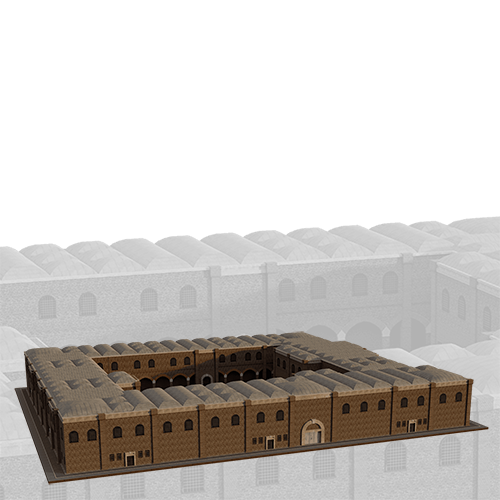
The Köprülü family holds a distinct significance in the history of İzmir. The period known in Ottoman history as the “Köprülü Era,” from 1656 to 1683, was when the state consolidated its power. This strengthening of administrative, financial, and military structures also had an impact on İzmir. The first reflection of the Köprülü Era in […]
Churches
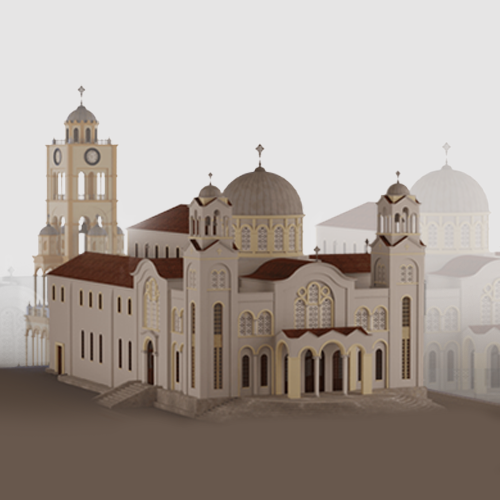
As commercial activities expanded in İzmir, people from various nations—not only from within the country but also from abroad—migrated to the city to seize new opportunities. In this context, the regions from which İzmir received the most migration were other parts of Western Anatolia, the Aegean Islands, and mainland Greece. As Greeks migrated to İzmir […]
Synagogues
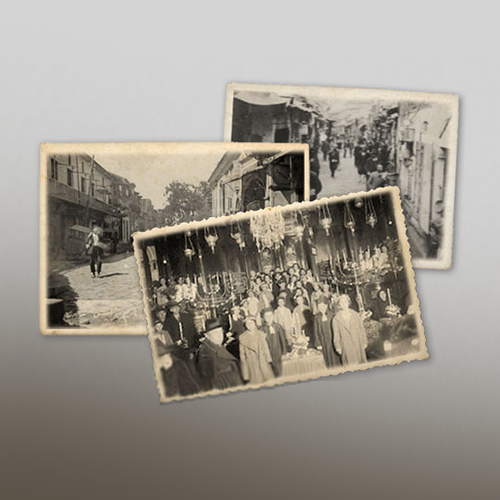
After Fatih Sultan Mehmed conquered İstanbul in 1453, he initiated construction efforts to restore the city to its former glory and implemented measures to increase its population. To achieve this, he enforced the forced migration of various groups from different regions of the Ottoman Empire to settle in İstanbul. Among those subjected to this forced […]
Mosques
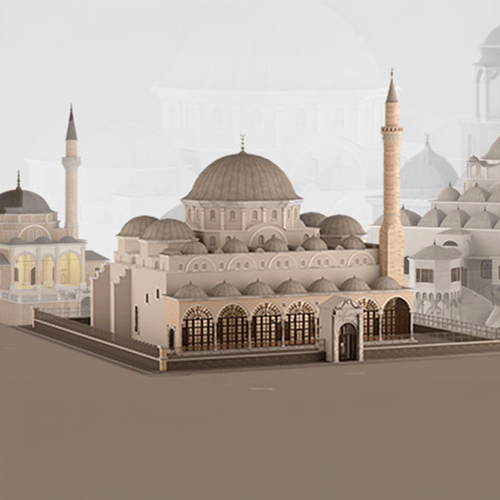
The Kemeraltı Bazaar, where we now walk through labyrinth-like narrow streets, was covered by the sea until the late 18th century and served as the city’s inner harbor. Until then, ships arriving in İzmir would enter the inner harbor and unload their cargo at the piers. Over time, as this area began to silt up, […]