
The Turkification of Anatolia was completed after a process spanning three centuries following the Battle of Manzikert. During this period, the first political unity in Anatolia under Turkish rule was established by the Anatolian Seljuk State (Anadolu Selçuklu Devleti). Following the collapse of this Konya-centered state, which had dominated much of Anatolia, the period known in history as the “Period of Beyliks” began. During the 14th century, many small and large Turkish principalities were established in various regions of Anatolia. One of these was the Aydinid Principality , founded by Gazi Mehmed Bey in the early 14th century, with its center in Birgi. This principality ruled the Aydın and İzmir regions for over a century.
During the reign of Gazi Mehmed Bey’s son, Umur Bey, İzmir was captured, and successes were achieved against the Venetian and Byzantine navies in the Aegean Sea. After Umur Bey was martyred during an attempt to retake the Lower Castle (also known as Ok Castle) in İzmir, his brother Hızır Bey succeeded him. During Hızır Bey’s reign, the capital of the principality was moved from Birgi to Ayasuluk (Ephesos-Selçuk).
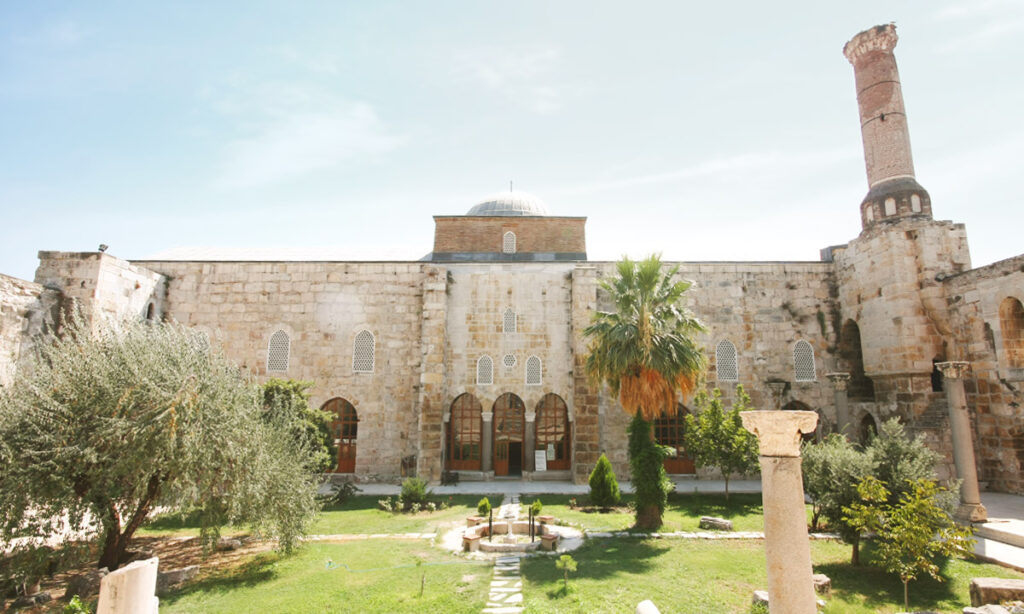
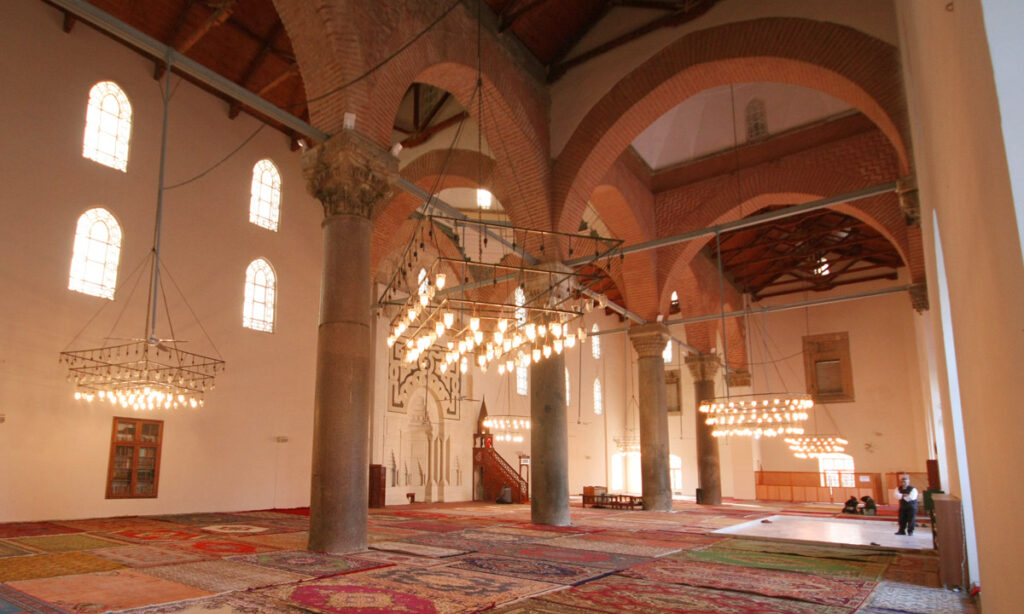
With Ayasuluk becoming the capital of the Aydinid Principality, urban development in the area increased. Ayasuluk experienced its golden age during the reign of İsa Bey, who ascended to the throne after Hızır Bey’s death in 1360. During this period, the İsa Bey Mosque, built in honor of İsa Bey by Ali bin Mushaymish, an architect from Damascus, has survived to the present day as one of the most significant legacies of the Turkish period in the multilayered history of Ephesos.
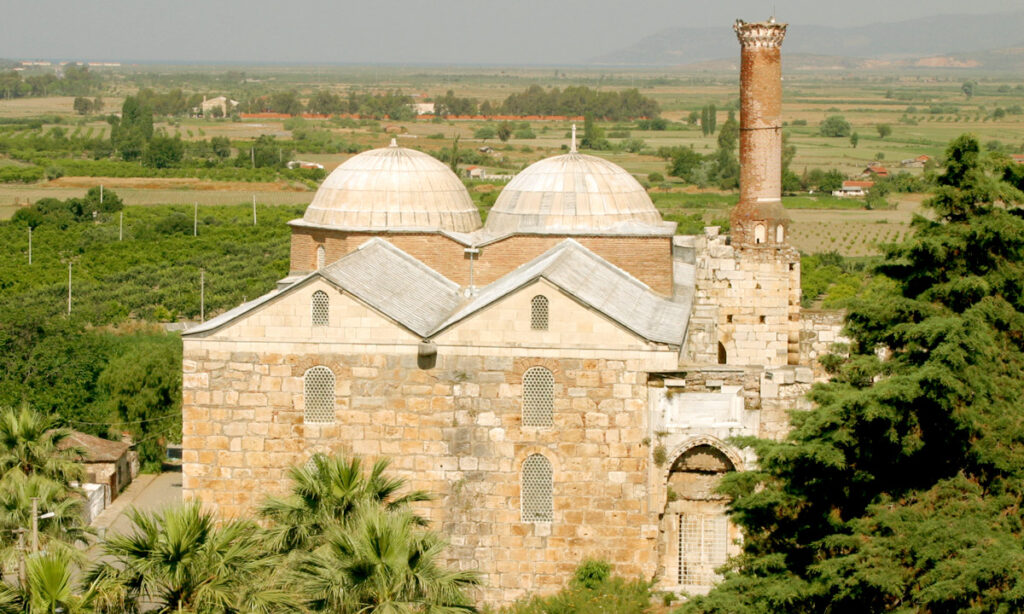
The İsa Bey Mosque, designed following an architectural style first seen in the Umayyad Mosque of Damascus and later in the Great Mosque of Diyarbakır and Artuqid period mosques, is the first mosque with a courtyard in Western Anatolia. Built using spolia materials from the ancient city of Ephesos, particularly columns, the mosque originally had two minarets, a characteristic feature of ruler or bey mosques. Over time, the eastern minaret was destroyed, and the mosque suffered deterioration. A comprehensive restoration was carried out in the 1980s.
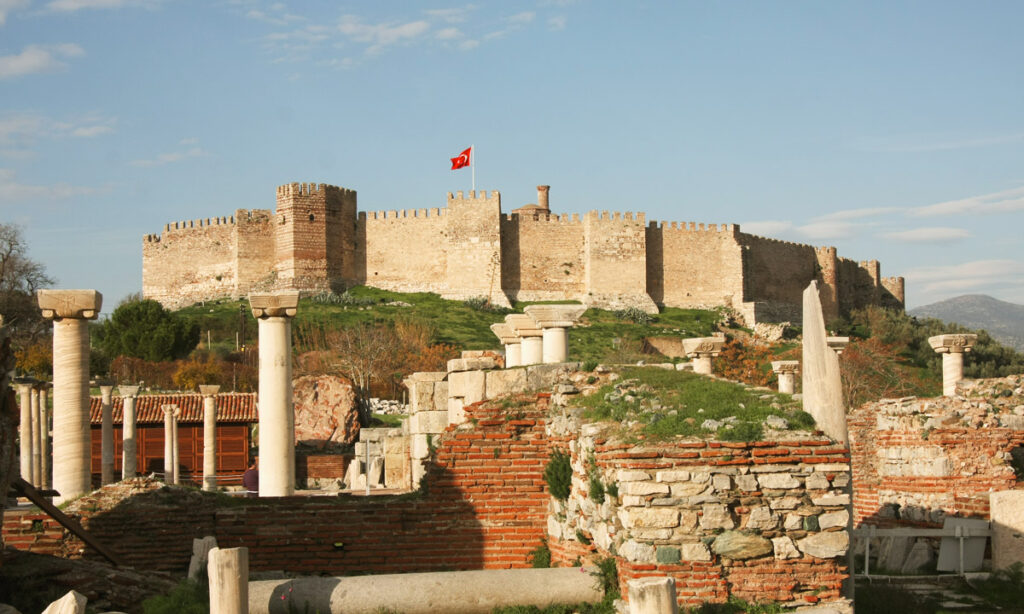
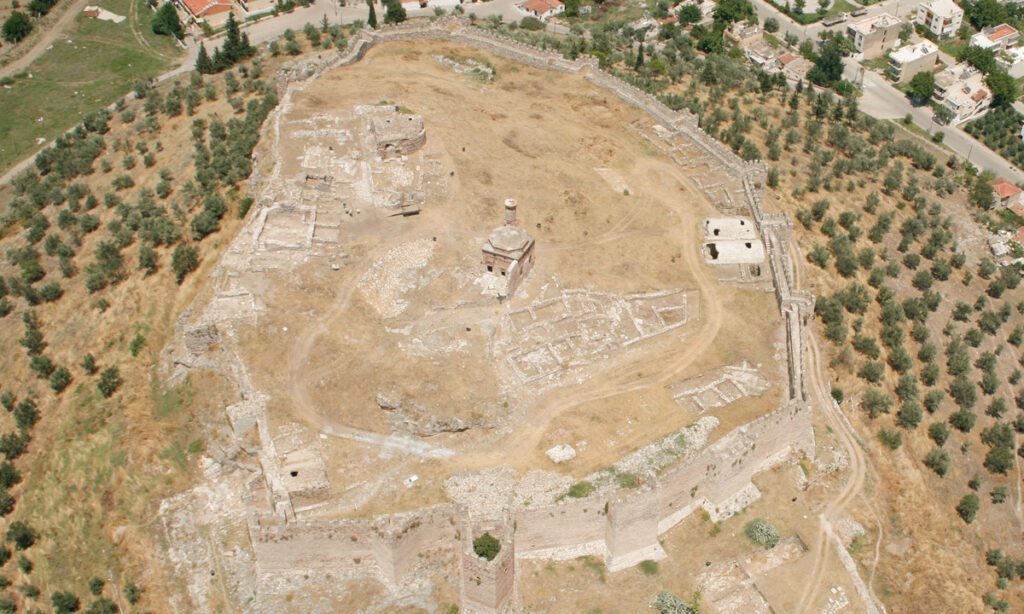
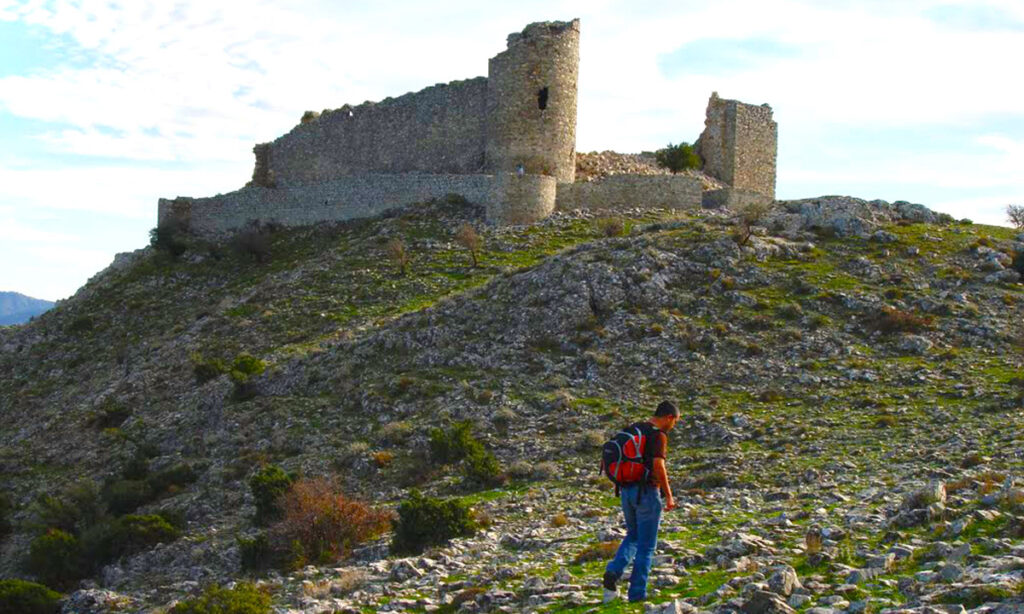
The Keçi Castle (Keçi Kalesi), built during the Hellenistic Period to protect the Sardes trade route, and the Ayasuluk Castle (Ayasuluk Kalesi), constructed during the Byzantine Period on Ayasuluk Hill, the first settlement of Ephesos, continued to be used during both the Aydinids’ and Ottoman periods. Excavations that began on Ayasuluk Hill in the 1990s provided new insights into the history of Ephesos. Concentrated work on the castle throughout the 2000s led to the restoration and opening of Ayasuluk Castle to visitors. Today, Keçi Castle is an essential trekking destination that attracts both local and foreign tourists.
While Ayasuluk reached its peak during the Aydinids’ period, it gradually lost importance after coming under Ottoman rule as İzmir, Tire, and Kuşadası became more prominent in regional trade. Over time, its population declined, and the area became desolate. The region’s revival began in the second half of the 19th century with the opening of the İzmir-Aydın railway line. Excavations of the ancient city of Ephesos, which also started during this period, greatly accelerated the area’s revitalization.
With the establishment of the Republic, the region was renamed “Selçuk” and gained district status. Today, thanks to the ancient city of Ephesos, listed as a UNESCO World Heritage Site, Selçuk is one of Türkiye’s most important cultural tourism centers, hosting approximately three million domestic and international tourists annually.